_edited.jpg)
Best Scar Camouflage Training in the United States: What Professionals Should Know Before Enrolling
- Team Member

- Aug 4
- 3 min read
Updated: Aug 6

You may have already taken a scar camouflage course and still feel unsure about working on real clients.
Maybe the class moved too quickly. Maybe you only practiced on one or two models. Or maybe you finished the training with a certificate but had no one to contact when questions came up afterward.
This is more common than many professionals realize.
Scar camouflage is not a technique that should be learned through memorizing one pigment formula or watching a few demonstrations. Every scar is different. Skin tone, scar age, texture, healing history, pigment behavior, and the client’s expectations must all be considered before treatment begins.
That is why choosing the right scar camouflage training matters.
What Should Scar Camouflage Training Include?

A strong scar camouflage training program should teach more than how to insert pigment into the skin.
Students should understand:
how to identify appropriate candidates
when a scar is ready for treatment
how different scar types respond
how to work safely with different skin tones
how to select and adjust pigment
how to manage healing expectations
when not to treat
how to create a realistic treatment plan
These decisions require clinical judgment, not simply a step-by-step formula.
A training may provide information, but mentorship helps you understand how to apply that information when a real client is sitting in front of you.
Certification Is Not the Same as Confidence
Many professionals search for a scar camouflage certification because they want proof that they completed training.
A certificate can document attendance, but it does not automatically create competence.
The more important question is:
Will you feel prepared to evaluate and treat your own clients after the course ends?
You should leave your training knowing how to think through a case, not simply how to repeat what the instructor demonstrated.
You should also know where to turn when a client heals differently than expected, when a pigment formula needs adjustment, or when you are uncertain whether someone is a suitable candidate.
Why Hands-On Experience Matters

Scar tissue does not behave exactly like healthy skin.
Texture, resistance, color, circulation, and pigment retention can vary from one client to another. This is why hands-on experience is a critical part of advanced scar camouflage training.
Look for a program that gives you the opportunity to:
observe real scar cases
practice with instructor guidance
study healed results
review different scar types
understand why one treatment plan may work better than another
Seeing only the immediate result is not enough. Students also need context about how the skin heals and how the treatment may need to change from one session to the next.
Look for Support After Training

One of the most common frustrations I hear from beauty professionals is that their trainer disappeared after class.
They invested thousands of dollars, returned home, and then realized they still had questions about their first client.
A quality scar camouflage mentorship should not end when the in-person training is over.
Ongoing support can help you review:
client photos
treatment plans
pigment choices
healing progress
case-specific concerns
consultation and pricing questions
This support can reduce guesswork and help you build confidence while you begin applying the technique in your own practice.
Does the Instructor Have Real Clinical Experience?
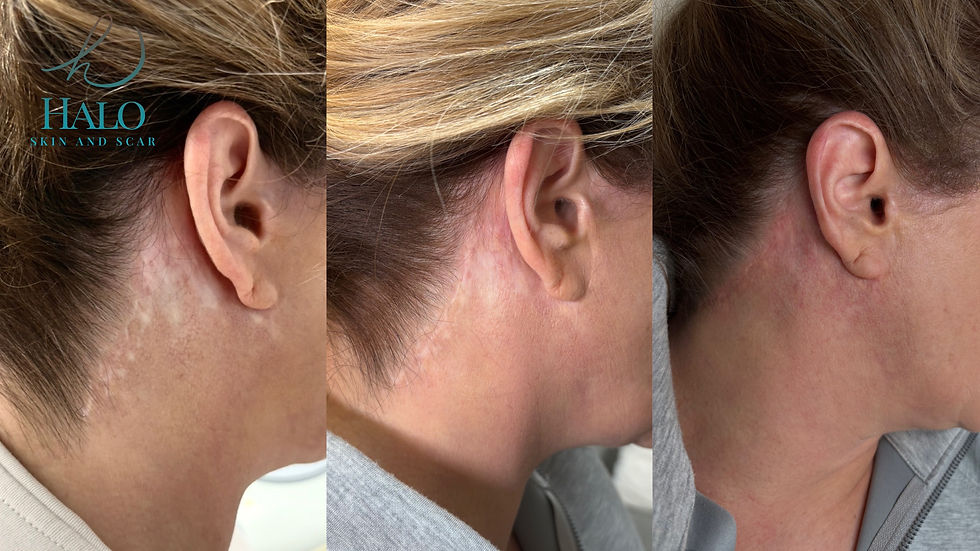
Before enrolling, review the instructor’s actual work.
Look for:
clear before-and-after photographs
healed results
experience with multiple scar types
work on diverse skin tones
detailed case studies
evidence of an active scar-focused practice
Your instructor should be able to explain what worked, what did not work, and what they learned from treating real clients over time.
I do not position myself as a guru. I built my experience by staying in the treatment room, investing in education, learning from difficult cases, and continuing until I could create meaningful results for my clients.
That real-world experience is what I now share with other professionals.
Choose Mentorship Over Information Overload
There are many online videos, weekend workshops, and inexpensive courses available. More information, however, does not always create more confidence.
The right program should help you connect the pieces.
You should understand:
what you are seeing
why you are choosing a particular approach
how to adjust when the case changes
how to communicate honestly with the client
how to prioritize safe and realistic outcomes
The goal is not simply to become certified.
The goal is to become a confident, ethical, and capable scar practitioner.
Ready to Build a Career in Scar Camouflage?

Clinical Scar Camouflage Mastery was created for beauty professionals who want more than a rushed training experience.
It is designed to provide practical education, real case context, personalized guidance, and continued mentorship as you begin working with your own clients.
LEARN ABOUT CLINICAL SCAR CAMOUFLAGE MASTERY
Comments