_edited.jpg)
Does Scar Camouflage Really Work? What to Expect Before and After Treatment

Does Scar Camouflage Really Work?
If you have a scar that looks lighter than the surrounding skin, you may have wondered whether scar camouflage can actually make it less noticeable.
The short answer is: for the right candidate, scar camouflage can help reduce the visual contrast between a scar and the surrounding skin.
But scar camouflage isn't about making a scar magically disappear.
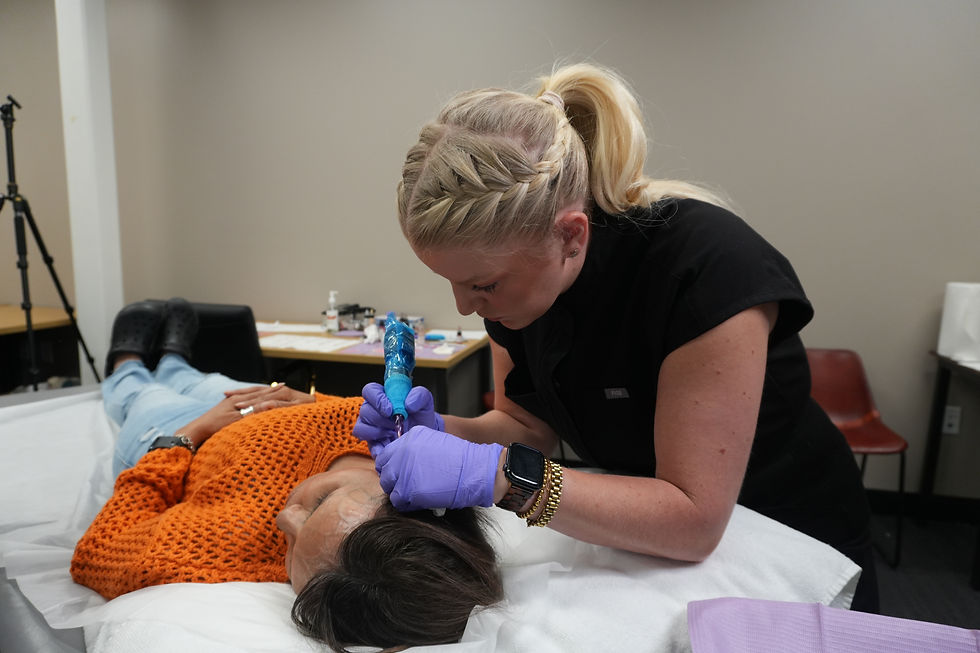
It's a specialized form of paramedical tattooing that uses carefully selected pigments to help certain scars blend more naturally with the surrounding skin.
The outcome depends on several factors, including the scar itself, its color and texture, how well it has healed, your natural skin tone, and your individual treatment plan.
Here's what you should know before considering scar camouflage treatment.
What Is Scar Camouflage?
Scar camouflage is a specialized tattooing technique that deposits customized pigment into suitable scar tissue.
The goal is to create a pigment blend that more closely resembles the client's surrounding natural skin tone, helping reduce the visible color difference between the scar and nearby skin.
This can be particularly helpful when a healed scar is noticeably lighter than the surrounding skin.
Unlike makeup that temporarily covers an area, scar camouflage pigment is placed into the skin. Because of this, proper scar assessment, pigment selection, technique, and healing are all important parts of the process.
Does Scar Camouflage Make a Scar Disappear?
No treatment should promise to completely erase a scar.
Scar camouflage is designed to make an appropriate scar less visually noticeable, not physically remove it.
The scar tissue itself remains.
For example, if a scar is lighter than the surrounding skin, adding carefully matched pigment may reduce the contrast that makes the scar stand out.
However, camouflage does not necessarily correct raised, depressed, tight, or otherwise textured scar tissue.
Some clients may need other scar treatments before camouflage becomes an appropriate final step.
What Types of Scars May Be Candidates for Camouflage?


Scar camouflage may be considered for certain fully healed and stable scars where there is a noticeable difference between the scar color and the surrounding skin.
Depending on the individual assessment, this may include scars related to:
Tummy tuck surgery
Breast augmentation, reduction, or lift procedures
Facelift procedures
C-sections
Body contouring procedures
Arm or thigh lifts
Injuries
Other surgical procedures
Certain stretch marks
However, the cause of the scar alone doesn't determine whether someone is a candidate.
The scar's age, color, texture, stability, healing, and surrounding skin all need to be considered.
When Is a Scar Ready for Camouflage?

One of the most important parts of scar camouflage is timing.
A scar continues to change as it heals. Newer scars may appear red, pink, darker, raised, or otherwise active before eventually becoming more stable.
Trying to camouflage a scar too early may not produce the best outcome.
That's why a professional scar assessment is important before treatment.
If a scar isn't ready for camouflage yet, a different treatment approach or simply more healing time, may be recommended first.
How Is the Pigment Matched to My Skin?

Pigment matching is one of the most specialized parts of scar camouflage.
Natural skin isn't just one flat color. It contains different undertones and subtle variations that need to be considered when creating a pigment blend.
A scar camouflage specialist evaluates the surrounding skin and creates a customized pigment selection designed for that individual client.
The goal is not simply to choose a pigment that looks similar in the bottle.
The artist must consider how the pigment will interact with the skin and how the treated area may look after healing.
What Should I Expect After Scar Camouflage Treatment?
Immediately after treatment, the area may not look like the final healed result.
The treated skin needs time to recover, and the appearance of the pigment can change during the healing process.
Clients should follow their provider's aftercare instructions carefully and allow the area to heal before evaluating the final color.
A follow-up assessment may also be recommended to determine how the pigment healed and whether additional treatment is appropriate.
Will I Need More Than One Scar Camouflage Session?

Possibly.
Scar camouflage is highly individualized, and the number of treatments needed can vary from person to person.
Factors such as the size of the treatment area, scar characteristics, skin tone, pigment retention, and healing response can influence the treatment plan.
This is why it's better to think of scar camouflage as a process rather than a one-size-fits-all procedure.
During a consultation, your provider can evaluate the scar and discuss what may be realistic for your specific situation.
What Do Scar Camouflage Before-and-After Results Look Like?
Before-and-after results can be helpful when deciding whether to pursue scar camouflage, but it's important to remember that every person's skin and scar are different.
Instead of expecting your result to look exactly like someone else's, look at before-and-after examples to understand the type of improvement scar camouflage may provide.
A good result should aim to reduce the visual contrast of the scar while maintaining a natural appearance.


Is Scar Camouflage Right for Me?

The best way to determine whether scar camouflage is appropriate is through an individual consultation.
At Halo Skin & Scar, the scar can be evaluated based on its color, texture, maturity, healing history, and surrounding skin.
If camouflage isn't the right next step, another scar treatment approach may be recommended before pigment is considered.
The goal isn't simply to cover a scar, it's to determine an appropriate treatment plan for the individual scar.
Ready to Find Out If Your Scar Can Be Camouflaged?

If you have a surgical scar or another healed scar that remains noticeably different from your surrounding skin, start with a professional scar assessment.
BOOK A SCAR TREATMENT CONSULTATION
Halo Skin & Scar provides specialized scar treatment and scar camouflage services in the Dallas–Fort Worth area.


Comments