_edited.jpg)
How to Market Your Scar Camouflage Business: Strategies for Aestheticians and PMU Artists

Learning the technical side of scar camouflage is only part of building a successful practice. Once you know how to assess scars, work with pigment, and perform treatments safely, there’s another important question:
How do you actually find clients who need scar camouflage?
For aestheticians, permanent makeup artists, tattoo professionals, and other beauty professionals adding scar camouflage to their services, marketing requires a different approach than promoting brows, facials, or traditional cosmetic tattooing.
Scar clients are often looking for someone who understands not only the appearance of their scar, but also the emotional impact it may have had on them. Your marketing should educate, build trust, and demonstrate your knowledge before asking someone to book.
1. Educate Before You Sell

Many potential clients don’t know that scar camouflage or other non-surgical scar treatments exist.
Instead of making every post about booking an appointment, create content that answers the questions people are already searching for.
Examples include:
What is scar camouflage tattooing?
Can white scars be camouflaged?
When is a scar ready for camouflage?
How many sessions might be needed?
Who is a good candidate for scar camouflage?
What is the difference between inkless scar revision and scar camouflage?
Educational content allows prospective clients to discover your expertise while researching their options.
It can also help your website appear for relevant searches when your content naturally incorporates terms such as scar camouflage, paramedical tattooing, scar revision, and scar camouflage treatment.
2. Build a Strong Before-and-After Portfolio

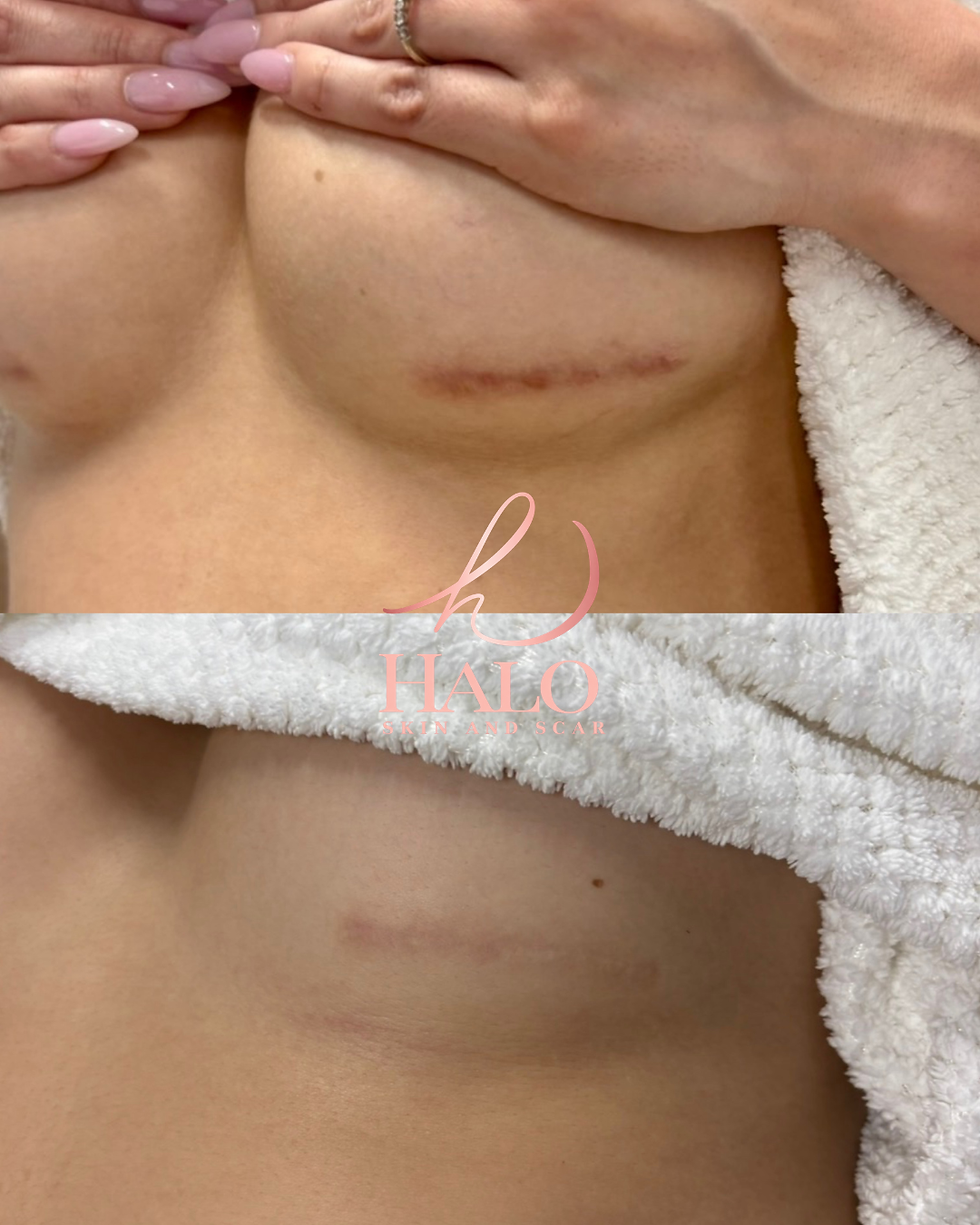
Scar camouflage is highly visual, which makes your portfolio one of your most valuable marketing tools.
Document your work consistently when you have the client’s appropriate permission. Whenever possible, keep lighting, positioning, distance, and camera settings similar between before-and-after photos.
But remember that scar treatments can be a process.
Your portfolio doesn’t need to imply instant perfection. Showing realistic progress can help prospective clients understand what treatment may actually involve and build more trust than unrealistic promises.
3. Speak to the Clients You Want to Attract

Trying to market scar camouflage to “everyone” can make your messaging too broad.
Think about the clients you want to serve. Depending on your training and scope of practice, this might include people looking for help with the appearance of scars following cosmetic or reconstructive procedures, injuries, or other healed scars.
Create educational content around the questions those specific clients are asking.
The more relevant your content is to their concerns, the easier it becomes for potential clients to recognize that your practice specializes in what they are searching for.
4. Build Professional Referral Relationships

Digital marketing isn’t the only way to grow a scar camouflage business.
Professional relationships can become an important part of a long-term marketing strategy.
Depending on your services and local regulations, potential referral relationships may include plastic surgery practices, medical spas, dermatology offices, aestheticians, permanent makeup professionals, and other providers whose clients may ask about options for improving the appearance of healed scars.
The goal should be to become a trusted resource—not simply to ask for referrals.
5. Use Local SEO to Help Scar Clients Find You
When someone searches phrases such as “scar camouflage near me,” “scar camouflage specialist,” or “scar treatment near me,” you want your business to have a strong local presence.
Keep your website and business profiles accurate and regularly publish educational content related to the services you actually provide.
Your website can also answer specific questions through individual blog posts. Over time, this creates a library of useful information for both prospective clients and search engines.
6. Let Your Expertise Become Your Marketing
One of the strongest ways to market a specialized service is to become known for understanding it.
Share educational videos. Explain scar types and treatment considerations. Discuss pigment matching. Show appropriate case studies. Answer common questions clearly.
Potential clients are more likely to trust a provider who helps them understand their options rather than one who simply tells them to book.
The same principle applies when building relationships with other professionals.
Technical Skill and Business Strategy Go Together

Scar camouflage training should go beyond learning how to put pigment into the skin.
Professionals who want to build a sustainable scar camouflage practice also need to understand client assessment, treatment planning, documentation, photography, consultations, communication, and how to position their services in the marketplace.
Developing both the clinical skill and business strategy behind scar camouflage can help you build a more specialized and professional practice.
Ready to Advance Your Scar Camouflage Skills?
If you’re an aesthetician, permanent makeup artist, or beauty professional interested in expanding into scar camouflage, learn more about Clinical Scar Camouflage Mastery with Halo Skin & Scar.

LEARN ABOUT CLINICAL SCAR CAMOUFLAGE MASTERY


Comments