
How to Choose the Right Scar Camouflage Training Program: 7 Questions to Ask Before Enrolling

Are you considering a career in scar camouflage tattooing but unsure which training program is right for you?
With so many scar camouflage courses, certification programs, and mentorship opportunities available, choosing where to invest your time and money can feel overwhelming.
Whether you're a medical aesthetician, permanent makeup artist, tattoo professional, or someone exploring a career in paramedical tattooing, selecting the right educational program is an important step toward developing your skills.
Not all scar camouflage training programs offer the same level of education, practical experience, or professional support.
Before enrolling, here are seven important questions to ask to help you make an informed decision.
1. Does the Training Include Hands-On Experience?


Scar camouflage tattooing involves working with skin that may differ significantly from the surrounding tissue in texture, thickness, elasticity, and pigmentation.
Understanding these differences is an important part of learning how to approach scar camouflage treatments.
While online courses can introduce foundational concepts, supervised hands-on training provides opportunities to practise techniques, receive instructor feedback, and develop practical skills.
Before enrolling in a scar camouflage course, ask whether the program includes live demonstrations, supervised practical sessions, and opportunities to work with appropriate models.
Also, find out how much individual guidance students receive during their practical training.
2. Will You Learn How to Assess Different Types of Scars?


Not every scar is suitable for camouflage tattooing, and different scar characteristics may require different treatment considerations.
A comprehensive scar camouflage training program should introduce students to scar assessment and help them understand the factors that influence treatment suitability.
Important topics may include:
Different types of surgical, injury-related, and other scars.
Scar maturity and healing considerations.
Differences in scar texture and pigmentation.
Skin tone and undertone assessment.
Treatment limitations and realistic expectations.
Situations requiring referral to an appropriate healthcare professional.
Understanding when a scar may or may not be suitable for treatment is an essential part of responsible professional practice.
Before enrolling, ask how the course teaches students to evaluate potential clients and make informed treatment decisions within their professional scope.
3. Does the Course Teach Pigment Matching and Color Theory?


Pigment matching is an important technical component of scar camouflage tattooing.
A scar may appear lighter or darker than the surrounding skin, and its texture and underlying characteristics can influence the appearance of the final result.
An educational program should explain how skin tones, undertones, and pigment characteristics affect color selection.
Ask whether the training covers:
Understanding skin undertones.
Pigment selection and color theory.
Working with different skin tones.
Evaluating healed pigment results.
Understanding the limitations of pigment matching.
Learning these principles can help students develop a more informed approach to pigment selection and treatment planning.
4. What Experience Does the Instructor Have?
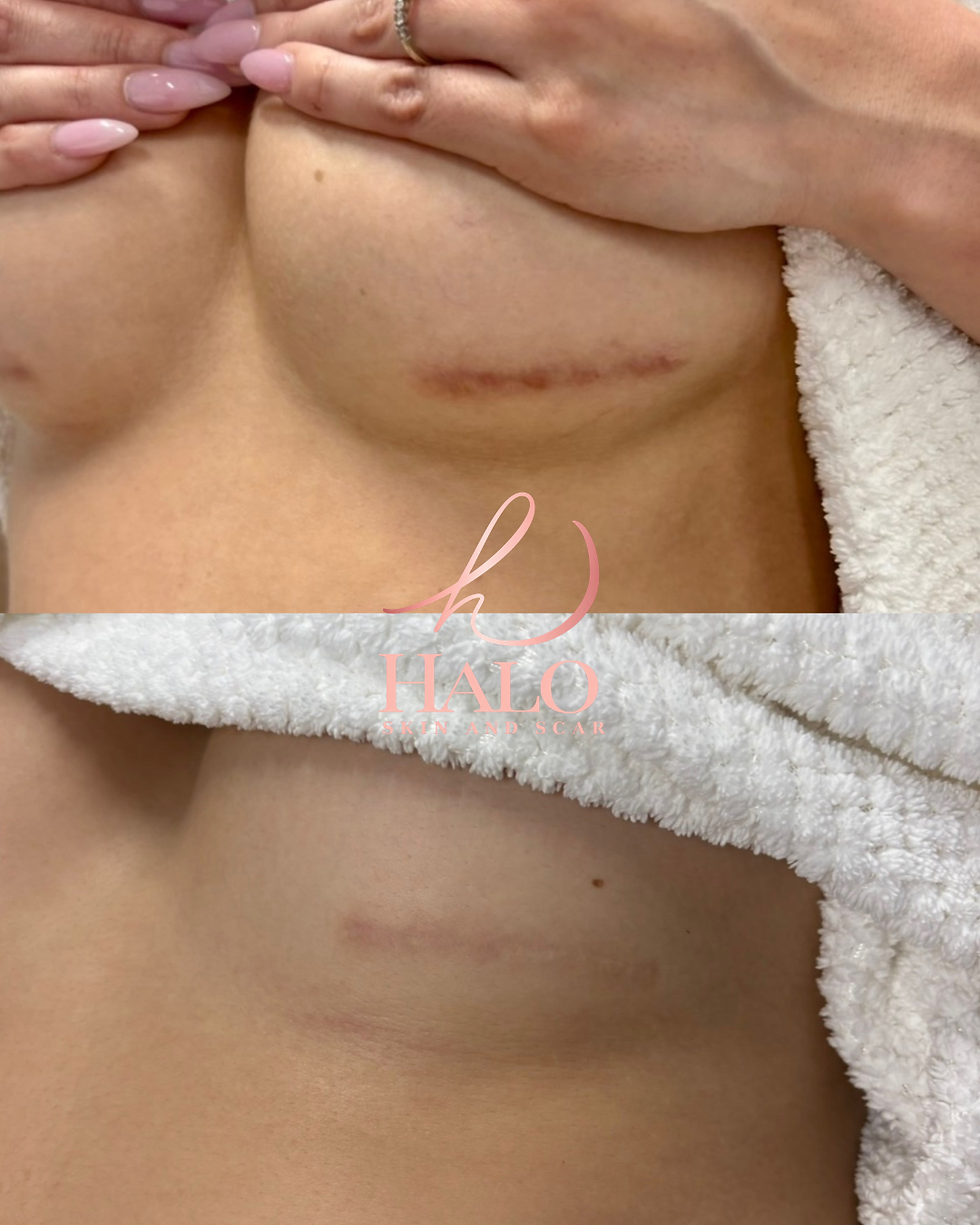

The instructor's professional background is another important factor to consider when comparing scar camouflage training programs.
Look for an educator who can demonstrate relevant practical experience and explain the techniques taught in the course.
Before enrolling, consider asking:
How long has the instructor been practising scar camouflage?
What types of scar cases have they worked with?
Can they provide examples of their own treatment work?
What professional qualifications and relevant training do they hold?
How do they evaluate students' practical skills?
Reviewing an instructor's experience and teaching approach can help you understand what you may learn from the program.
5. Will You Receive Support After Completing the Training?


Completing a course is one stage of professional development.
As you begin applying your knowledge, you may encounter questions about scar assessment, pigment selection, treatment planning, or healing results.
Some scar camouflage training programs provide additional support after the initial course, while others conclude once the scheduled training is complete.
Ask whether the program offers opportunities for continued learning, case reviews, or instructor feedback.
For example, Halo Skin and Scar's Clinical Scar Camouflage Mastery program includes guided case reviews, clinical shadowing opportunities, and ongoing mentorship as part of its training structure.
The level and duration of support vary depending on the program selected.
Before enrolling, confirm which services are included in your chosen training package.
6. Does the Program Cover Client Consultations and Treatment Planning?

Technical tattooing skills are only one part of providing scar camouflage services.
Professionals also need to understand how to communicate with clients, discuss realistic expectations, and develop appropriate treatment plans.
A training program may include education on:
Conducting client consultations.
Reviewing relevant treatment history.
Discussing treatment suitability and limitations.
Explaining possible outcomes and healing considerations.
Providing appropriate aftercare information.
Documenting treatments and client progress.
Ask whether the course includes consultation procedures, client communication, and professional practice considerations.
These topics can help students understand the responsibilities involved in providing scar camouflage services.
7. Does the Training Align With Your Professional Goals?
Before choosing a scar camouflage certification course, consider what you want to achieve through your education.
Are you an experienced permanent makeup artist looking to expand your services?
Are you a medical aesthetician interested in learning more about scar camouflage techniques?
Or are you new to the industry and looking for foundational education?
Your current experience, professional qualifications, and long-term goals can influence which training format is appropriate for you.
Some programs focus on introductory techniques, while others offer more advanced education, supervised practice, or ongoing mentorship.
You should also verify the licensing, training, and professional requirements applicable to your location. Completing a training course or receiving a certificate does not automatically grant permission to perform tattooing services.
Understanding your goals and professional requirements can help you select a program that supports your development.
Explore Clinical Scar Camouflage Training at Halo Skin and Scar

Choosing a scar camouflage training program is an important decision for professionals interested in expanding their knowledge and technical skills.
At Halo Skin and Scar, Jazzie Craig offers clinical scar camouflage education and mentorship for professionals seeking to develop their understanding of scar assessment, pigment matching, and practical treatment techniques.
Training options include foundational education, in-person practical experience, and additional mentorship opportunities, depending on the selected program.
If you're interested in exploring scar camouflage training, learn more about the available educational programs and find out which option aligns with your professional goals.
LEARN ABOUT CLINICAL SCAR CAMOUFLAGE MASTERY

Explore Halo Skin and Scar's training opportunities and take the next step in your professional education.


Comments