
Who Should Take a Scar Camouflage Certification Course? A Guide for Beauty & Aesthetic Professionals

Who Should Take a Scar Camouflage Certification Course?
Scar camouflage is a specialized area of paramedical tattooing that requires much more than simply knowing how to implant pigment into the skin.
Professionals working with scars need to understand scar tissue, skin tone, color theory, pigment selection, treatment planning, and realistic client expectations.
For beauty and aesthetic professionals who want to expand into scar-focused services, specialized scar camouflage education can provide a foundation for working with these more complex cases.
But who is scar camouflage training actually for?
1. Permanent Makeup Artists

Permanent makeup artists already have experience working with pigment and skin, which can provide a useful foundation for learning scar camouflage.
However, scar tissue behaves differently from healthy, untreated skin. Expanding into scar camouflage requires additional education in areas such as scar assessment, pigment selection, color matching and treatment planning.
For PMU artists interested in broadening their services, scar camouflage training can be a natural next step in their professional development.
2. Paramedical Tattoo Artists

Professionals already working in paramedical tattooing may want to develop more advanced skills for addressing visible differences in scar color.
Clients may seek help with scars resulting from surgery, injury or other procedures. Understanding how to evaluate each case individually is an important part of providing responsible scar camouflage services.
Advanced education can also help artists become more confident when determining when camouflage may—or may not—be appropriate.
3. Medical Aestheticians and Aesthetic Professionals

Aesthetic professionals frequently work with clients who are concerned about skin texture, discoloration and visible scarring.
Learning more about scar camouflage can complement an existing understanding of skin and expand the range of scar-related solutions a professional understands.
Depending on professional licensing requirements and local regulations, additional training may be required before performing paramedical tattoo procedures.
4. Tattoo and Cosmetic Tattoo Professionals

Traditional tattooing experience can provide valuable technical skills, but scar camouflage has a different objective.
Rather than creating an artistic design, the goal is typically to make a visible color difference less noticeable by carefully selecting and placing pigment that complements the surrounding skin.
That requires specialized knowledge of skin undertones, pigment behavior, scar characteristics, and color correction.
5. Professionals Who Want to Specialize in Scar Services
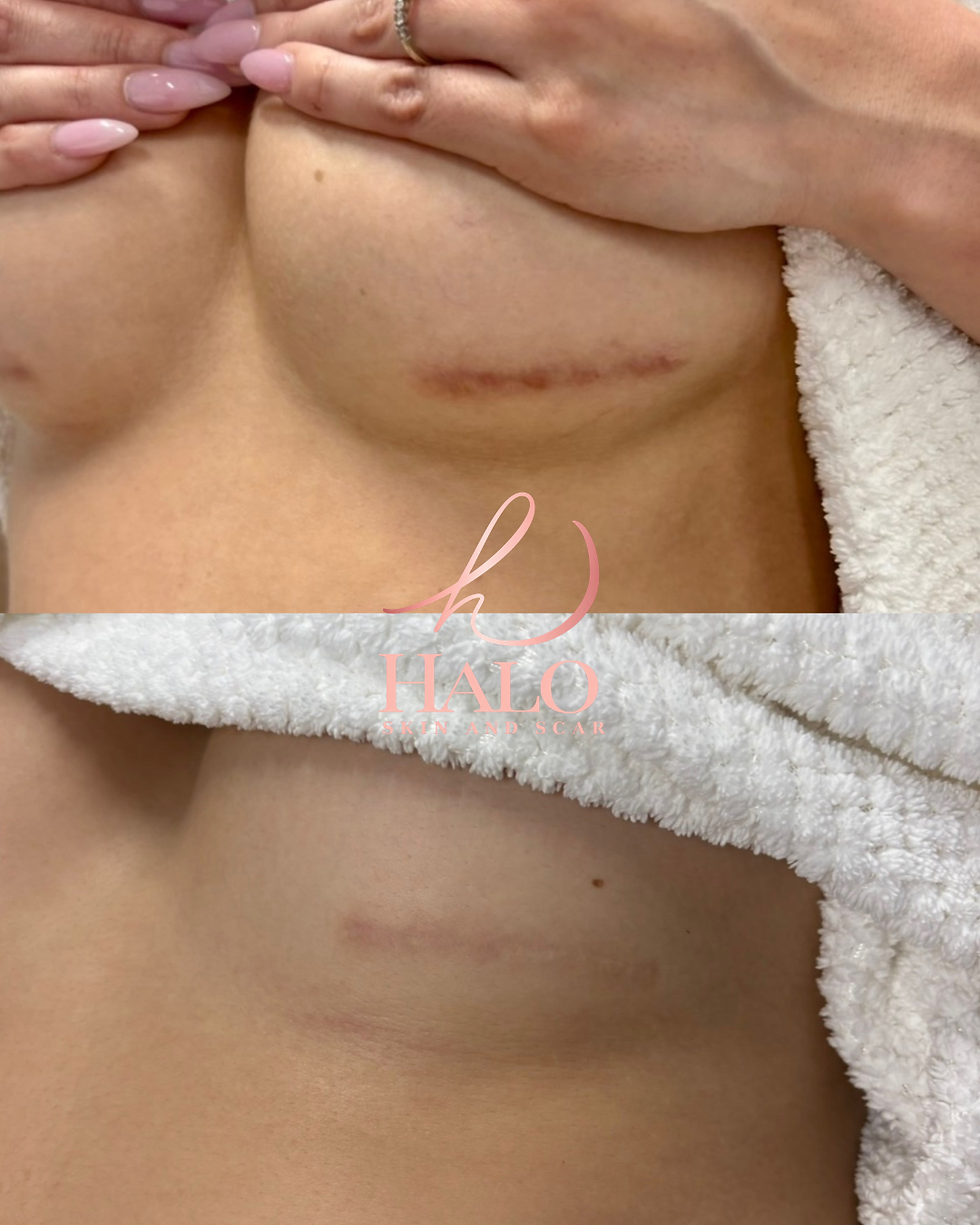

Scar camouflage can also appeal to professionals who want to build a more specialized practice rather than offering a broad menu of cosmetic services.
Clients may seek scar-focused services after procedures or experiences such as:
Cosmetic or reconstructive surgery
Tummy tuck procedures
Breast surgery
Skin-removal surgery
Injuries
Stretch marks
Other healed scars with noticeable color differences
Each scar is different, which is why professional assessment and individualized treatment planning are important.
What Should You Look for in Scar Camouflage Training?


A scar camouflage course should go beyond simply demonstrating how to use a tattoo machine.
Look for education that addresses topics such as scar assessment, skin and scar characteristics, color theory, pigment matching, treatment planning, client consultations, contraindications, healing considerations and realistic expectations.
Hands-on instruction and guidance from an experienced scar professional can also be valuable when developing practical skills.
Most importantly, training should teach professionals to recognize that not every scar is automatically appropriate for camouflage.
Is Scar Camouflage Certification Right for You?


The answer depends on your professional background, goals and the regulations governing the services you can provide where you practice.
If your goal is to work specifically with clients who have visible scars or skin-tone differences, specialized education can help you better understand the complexity involved in scar camouflage.
Learning the technique is only one part of becoming a scar-focused professional. Developing strong consultation, assessment, and color-matching skills is equally important.
Learn Clinical Scar Camouflage
Halo Skin and Scar provides education for professionals interested in developing their skills in clinical scar camouflage.

Ready to learn more about Clinical Scar Camouflage Mastery?
Explore the training program, curriculum, and educational opportunities available through Halo Skin and Scar.


Comments